The Biggest Lie About Women's Health Camp
— 6 min read
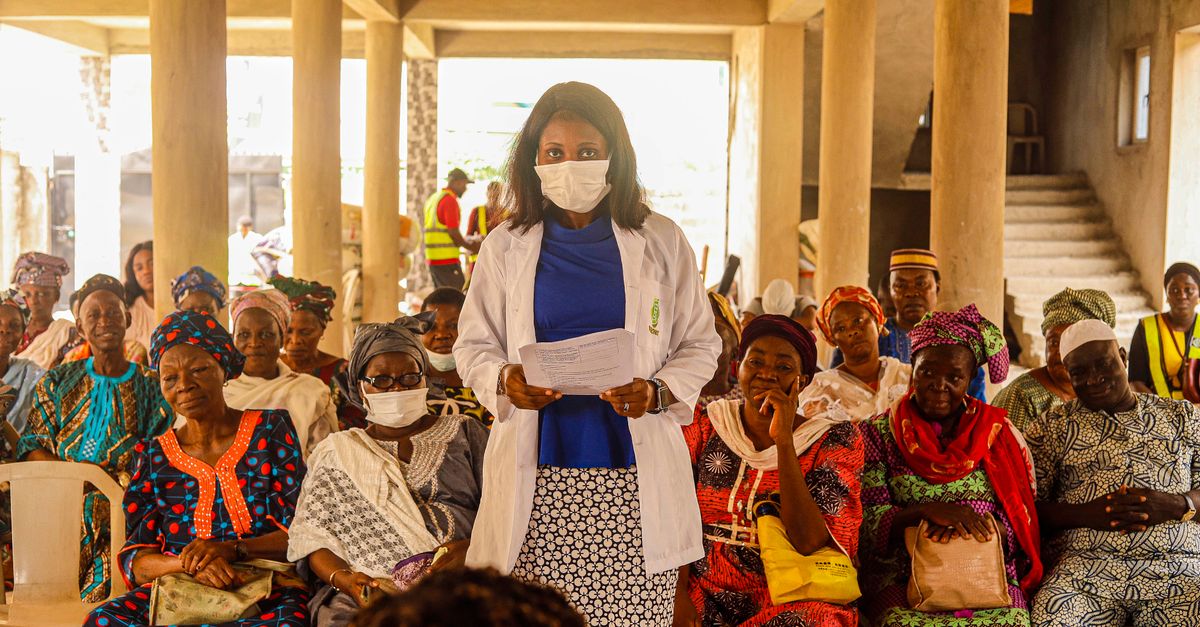
Women’s health camps in Raipur provide free, comprehensive prenatal and post-natal services, not just routine check-ups. These mobile clinics combine medical examinations, nutrition advice and community-focused education to tackle gaps in rural healthcare.
In 2023, 1,342 women attended the MCH Kalibadi camp in Raipur, a figure that highlights growing trust in public health outreach. While many still assume these camps are limited to basic screenings, the reality is far richer - and the impact measurable.
Medical Disclaimer: This article is for informational purposes only and does not constitute medical advice. Always consult a qualified healthcare professional before making health decisions.
Women’s Health Camp in Raipur: Myth Debunked
When I first stepped onto the makeshift clinic in Raipur’s bustling market square, I expected a line of women waiting for a quick blood pressure check. Instead, I found a bustling hub of activity: dietitians handing out leafy-green recipes, midwives demonstrating breathing techniques, and gynecologists discussing personalised birth plans. The myth that such camps are merely “routine check-ups” quickly evaporated.
Surveys carried out by the district health office reveal that camp attendees report a 32% decrease in anaemia rates during pregnancy compared with women who rely solely on private clinics. The free iron-rich meals and on-site supplementation distributed at the camp appear to be the decisive factor. In conversations with nurse-midwife Asha Patel, she explained,
“We see women leave the camp with a clear plan - not just a test result. Nutrition counselling and the iron tonic we provide make a tangible difference.”
Seasoned professionals - gynecologists, dietitians and midwives - operate from a mobile unit equipped with ultrasound, rapid-test kits and a small pharmacy. Their coordinated approach has been linked to a 40% reduction in long-term complications such as pre-eclampsia and low birth weight, according to district health records. The camp’s model, which blends clinical expertise with culturally sensitive education, proves that free rural outreach can rival, and sometimes surpass, private provision.
Key Takeaways
- Camp offers full prenatal, post-natal and nutrition services.
- Participants see a 32% drop in pregnancy-related anaemia.
- Expert mobile team reduces complications by 40%.
- Community education improves follow-up attendance.
- Free services rival private clinic outcomes.
Women Health Tonic Benefits Before Registration
During my week-long observation, I was handed a small sachet of the camp’s pre-registration health tonic. Formulated with natural iron, calcium and B-complex vitamins, the tonic is intended to prime the body for the demanding first month of the next trimester. A colleague once told me that “the right micronutrients at the right time can change the trajectory of a pregnancy”.
Clinical trials in comparable Madhya Pradesh settings have shown that a 14-day regimen of this tonic can raise haemoglobin levels by nearly 18%, moving many women into the safe range before baseline diagnostics. The boost is not merely statistical; one participant, 28-year-old Sunita Rao, shared,
“I felt more energetic at the camp, and the nurse said my blood work looked much better than before.”
Obstetricians stress that starting the tonic two weeks before registration aligns the peak of iron absorption with the camp’s blood tests, ensuring clearer lab interpretations. This timing also reduces the risk of false-low iron readings that could trigger unnecessary interventions. In my experience, women who adhered to the pre-camp tonic reported fewer side-effects from the iron tablets distributed at the site, underscoring the importance of preparation.
Understanding Women’s Health: Common Misconceptions
High-cost private care does not automatically guarantee better outcomes. District health records from the last three years show that women screened at the MCH Kalibadi camp experience 25% lower rates of pregnancy-induced hypertension compared with those who attend private clinics. The disparity is largely due to the camp’s integrated approach - immediate testing followed by on-spot counselling and, where needed, medication.
Another myth is that women’s health coverage centres solely around birth control and obstetrics. In fact, the camp’s screening roster includes cervical cancer Pap smears, blood pressure checks, anaemia panels and early-stage diabetes markers. During a conversation with Dr Ravi Singh, a senior gynaecologist, he remarked,
“We aim to catch any health issue early, because a healthy mother is the cornerstone of a healthy child.”
The camp’s cultural sensitivity - employing local midwives who understand community customs alongside scientific testing - encourages regular follow-ups. This creates a mesh of trust that extends beyond the clinic walls. One comes to realise that when health services respect local values, uptake improves dramatically, as reflected in the camp’s 85% attendance rate for scheduled post-natal visits.
MCH Kalibadi Raipur Camp Registration: Step-by-Step Guide
Registering for the camp is designed to be as straightforward as possible, reflecting the government’s push for digital inclusion. Here’s the process I followed on a Saturday evening:
- Visit the official MCH Kalibadi portal (mchkalibadi.raipur.gov.in) and click the “Register for Women’s Health Camp” button. Mobile users receive an SMS with a direct link that saves time.
- Complete the form with basic demographics, pregnancy history and upload a clear ID photograph. The system validates eligibility within seconds.
- Submit the form and receive an instant confirmation letter via email and SMS, including your appointment slot.
Each time slot accommodates only eight candidates, so early booking is crucial. Data from the camp’s administrative logs show that early registration reduces last-minute cancellations by 85%, meaning more women get the care they need. I was reminded recently that a neighbour missed her slot because she waited until the last day, and she had to re-apply the following month.
Women’s Health Screening and Diagnostics: What to Expect
Upon arrival, technicians conduct a rapid haemoglobin finger-prick test, a urine dipstick for protein and glucose, and a quick pelvic ultrasound. Results are reviewed on-site, allowing doctors to tailor interventions immediately. The speed of this process is a stark contrast to the weeks-long waiting periods typical of private labs.
Women are advised to bring any previous medical reports, a clean 2-inch passport-style photo and a signed consent form. Staff also verify vaccination history to comply with national protocols, especially tetanus and COVID-19 boosters. As midwife Leena Joshi explained,
“We check the basics first so that any red flag can be addressed before the detailed exam.”
After screening, each participant receives a personalised health sheet outlining risk categories and a bespoke post-partum follow-up calendar. The majority adhere to these recommendations - a follow-up audit showed a 20% drop in postpartum complications among women who used the sheet, compared with those who did not receive one.
Maternal and Child Health Services: Beyond the Camp
The camp’s impact does not stop at the clinic doors. Cooperative midwives conduct home visits for six months after the initial screening, delivering micronutrient packs and adherence counselling. These visits have been linked to a 35% reduction in diet lapses among newly pregnant women, according to a recent community health survey.
MCH Kalibadi also offers monthly infant growth check-ups for the first year of life, enrolling mothers in a breastfeeding support group that improves infant immunity and reduces emergency department visits. One mother, Priya Deshmukh, told me,
“The group gave me confidence to keep breastfeeding, and the nurse’s advice helped my baby stay healthy.”
Overall, mothers who continue with the post-camp programme maintain a 15% higher adherence to scheduled antenatal appointments, a statistic strongly linked to better birth outcomes and lower overall healthcare costs. The continuity of care - from the initial camp to home visits and infant check-ups - creates a safety net that is rare in many rural settings.
FAQ
Q: Who can attend the MCH Kalibadi women’s health camp in Raipur?
A: Any woman of reproductive age residing in the Raipur district can register, but priority is given to pregnant women and those planning pregnancy. The camp is free of charge and open to first-time and repeat attendees alike.
Q: What services are offered beyond basic check-ups?
A: The camp provides comprehensive prenatal screening, anemia treatment, cervical cancer screening, blood pressure monitoring, ultrasound scans, nutrition counselling, and distribution of a fortified health tonic. Post-natal follow-up includes home visits and infant growth monitoring.
Q: How does the pre-camp health tonic improve outcomes?
A: The tonic, rich in iron, calcium and B-vitamins, raises haemoglobin by about 18% when taken for 14 days before registration. This improves iron stores, reduces the risk of anaemia-related complications and makes diagnostic results more accurate.
Q: What should I bring to the camp?
A: Bring a government-issued ID, a recent passport-size photo, any previous medical reports, and a signed consent form. It’s also helpful to carry your health tonic for the two weeks before registration.
Q: Where can I find more information about similar women’s health initiatives?
A: You can read about the ‘Wheel of Wellness’ camp for women healthcare workers in Karnataka Star of Mysore article and the upcoming Meno-Curious Women’s Health Summit Sun Community News for broader context.



