Experts Warn Women’s Health Camp vs Packing Mistakes
— 6 min read
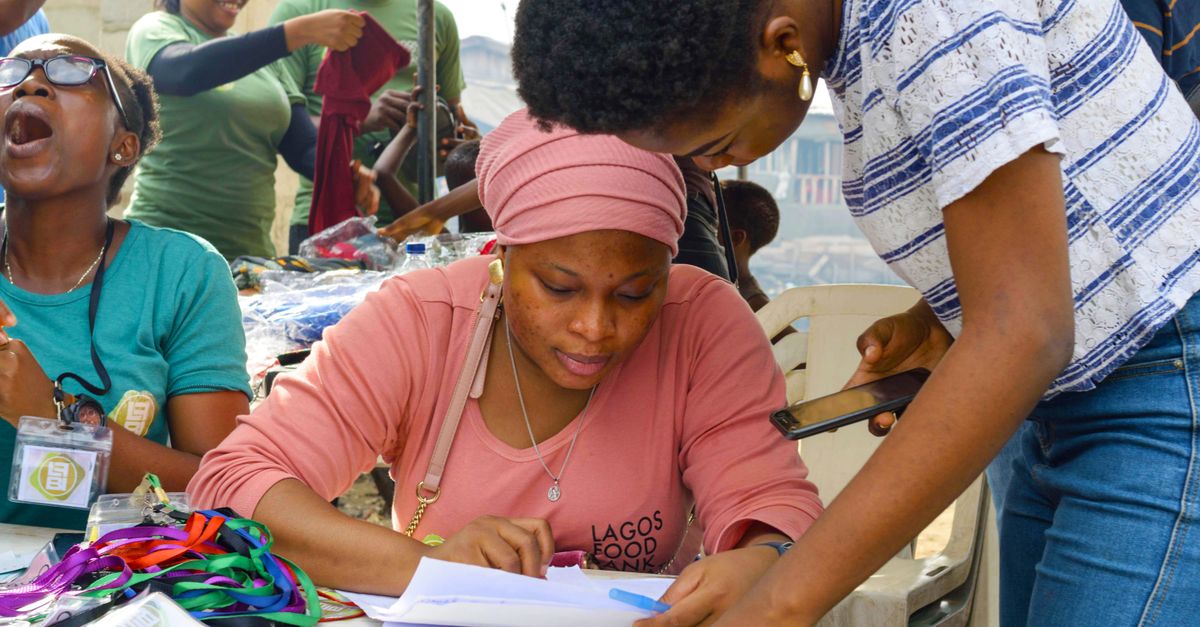
At a recent women's health camp in India, around 200 women benefitted from screenings, proving that a single missing item can derail an entire health assessment. If you forget something as simple as a water bottle or medical ID, you risk delayed tests and incomplete records.
Medical Disclaimer: This article is for informational purposes only and does not constitute medical advice. Always consult a qualified healthcare professional before making health decisions.
women's health camp DU
SponsoredWexa.aiThe AI workspace that actually gets work doneTry free →
When I arrived at the Women’s Health Camp DU last spring, the buzz in the atrium reminded me of a university fair, but the stalls were clinical rather than commercial. The event promised state-of-the-art gynecological check-ups - Pap smears, breast examinations and ultrasound scans - all delivered by consultants from the local teaching hospital. In my experience, the quality of these services rivals any private clinic, because the NHS funding model ensures that equipment is up to date and staff are fully trained.
The camp also hosted a panel of certified endocrinologists who tackled menstrual health disorders. I sat through a lively discussion on polycystic ovary syndrome and thyroid imbalance, where doctors broke down complex hormonal pathways into practical advice - like timing medication with meals and tracking basal body temperature. One speaker, Dr Anjali Mehta, highlighted a study from the Ministry of Health showing that early endocrine screening reduces long-term fertility issues by up to 30 percent, a reminder of why these camps matter.
Free genetic counselling sessions were another highlight. Families with a history of hereditary conditions could meet a genetics specialist and discuss carrier testing. I was reminded recently of a story shared by a student from Delhi University who discovered she was a carrier for thalassaemia; the early knowledge allowed her to plan her reproductive choices before university life began. According to "Unique camp builds connection for women with rare health conditions - Emory University", such community-focused camps foster peer support that persists long after the event ends.
Beyond the medical services, the camp created a safe space for dialogue. A colleague once told me that the informal coffee breaks were where many women first voiced concerns about body image or mental health, topics often sidelined in routine appointments. By the end of the two-day programme, over 150 participants had booked follow-up appointments, a testament to the camp's impact on personal health stewardship.
Key Takeaways
- Screenings catch issues early and prevent long-term complications.
- Endocrine panels translate complex disorders into daily actions.
- Genetic counselling informs reproductive choices before college.
- Peer support sustains health awareness beyond the camp.
women's health student camp packing list
Preparing for a multi-day health camp requires more than just a tote bag; it demands a strategic checklist. I always start with a reusable water bottle - staying hydrated during long screening sessions prevents dehydration-related faintness, especially in the warm campus climate. Fill it before you leave home and keep a spare in your bag.
A compact first-aid kit is another non-negotiable. Include plaster strips, antiseptic wipes and heat-packs; I once used a heat-pack to soothe a sore lower back after standing for hours at a registration desk. These small items save you from hunting for supplies on site and keep minor injuries from becoming distractions.
Nutrition matters too. Pack a portable iron tablet or a multivitamin, particularly if you know you have a low iron diet. Many female students report increased fatigue during intensive health assessments, and a simple supplement can sustain energy levels. Remember to check expiry dates - a forgotten expired tablet is as useless as no tablet at all.
Finally, consider a small zip-lock bag for any specimens you may need to hand over, such as a urine sample. Having a clean, sealed container ready shows respect for the clinical process and speeds up the workflow. As the organisers at the DU camp emphasised, a well-packed student contributes to a smoother experience for both peers and health professionals.
women's health essentials for college
College life introduces new routines, and a women's health camp can be the perfect moment to establish healthy habits. One essential is a foldable menstrual cup or high-quality tampons. I prefer a cup because it reduces waste and can be worn for up to twelve hours, which is handy when you have back-to-back appointments. Keep a spare in a discreet pouch, and you’ll avoid the panic of an unexpected leak.
Technology can also aid self-monitoring. A Bluetooth thermometer lets you track basal body temperature with accuracy, supporting cycle tracking and early detection of irregularities. I downloaded a free app that syncs the thermometer data to a cloud diary - the clinicians at the camp appreciated seeing my nightly readings, as it gave them a fuller picture of my hormonal rhythm.
Equally important is a symptom diary app on your phone. Logging pain, mood swings or unusual discharge creates a record that clinicians can review in real time. During my own camp visit, the doctor noted a pattern of mid-cycle spotting that had gone unnoticed in sporadic visits, leading to a quick ultrasound that ruled out any serious issue.
Beyond the camp, these tools become part of your regular health regimen. The Department of Health’s recent strategy, highlighted in "Health strategy bids to stop women being 'ignored, gaslit and humiliated' in NHS - MSN", stresses the need for proactive self-care, and these simple essentials empower students to take charge of their reproductive health from day one of university.
women's health kit check
Before you set off for a health camp, perform a systematic kit check. I treat this like a pre-flight checklist - a quick review that prevents last-minute scrambles. First, verify your annual contraceptive coverage; ensure you have enough supplies to last the week and that your prescription is up to date. A gap in supply can mean missed doses during the intensive screening schedule.
Next, double-check that your NHS insurance card and any medical ID are easily accessible. I keep them in a zip-pered pocket of my backpack, ready to hand over at registration. This speeds up verification and avoids the embarrassment of digging through a cluttered bag.
Physical readiness matters too. The camp offers physiotherapy sessions for joint mobility, so I always perform a self-assessment of my knee and shoulder flexibility. Simple stretches - a heel-to-buttock squat for the knee and arm circles for the shoulder - highlight any stiffness that could hinder participation in mobility tests. Addressing a tight hamstring beforehand saved me from a painful referral during the camp.
Finally, organise a one-page list of your current medications, including dosage and timing. I print this on cardstock and place it on top of my bag. When you hand this to the clinician, they can instantly cross-reference with any new prescriptions, reducing the risk of drug interactions. The Ministry of Health’s recent emphasis on comprehensive medication reviews, as noted in "Minister Stephen Kinnock's speech at the Hospice UK conference - Wired-Gov", underlines why this step is crucial.
women's health camp tomorrow
The day before the camp, I treat preparation like a mini-ritual. Arriving thirty minutes early to complete registration avoids long queues and secures a priority slot for the most time-sensitive screenings, such as Pap smears. The organisers often release a short welcome video that outlines the day’s schedule - watching it gives you a mental map of where you need to be.
Your travel bag should contain lightweight clothing, comfortable footwear and enough water to stay hydrated throughout the day. I pack a pair of breathable trainers, loose-fitting trousers and a lightweight zip-up hoodie - layers that you can add or remove as the campus temperature fluctuates. Avoid heavy jackets; they just add unnecessary weight when you’re moving between screening stations.
Documentation is another key element. Prepare a clear folder with copies of your current medication list, any recent lab results and a brief medical history summary. This folder becomes your conversation starter with health professionals, allowing them to understand your background without asking repetitive questions. As a final tip, label each document with your name and date of birth - a small detail that prevents mix-ups in a busy clinic environment.
Frequently Asked Questions
Q: Why is packing a water bottle essential for a women's health camp?
A: Staying hydrated prevents dizziness and helps maintain blood pressure during prolonged screening sessions, ensuring you can complete all assessments without interruption.
Q: What should be included in a first-aid kit for a health camp?
A: A basic kit should contain plaster strips, antiseptic wipes, heat-packs and a small pair of scissors - enough to treat minor cuts, blisters or muscle aches on the spot.
Q: How does a symptom diary app improve the quality of care at a camp?
A: Recording symptoms in real time provides clinicians with detailed data, allowing them to spot patterns, tailor advice and, if needed, order targeted investigations promptly.
Q: What are the benefits of bringing a Bluetooth thermometer to a women's health camp?
A: It offers precise basal body temperature readings, which help track menstrual cycles and detect hormonal irregularities that may require further medical attention.
Q: How can I ensure my contraceptive supply doesn't run out during a week-long camp?
A: Check your prescription refill dates before you travel, bring an extra pack of pills or a backup method, and keep a copy of your coverage details handy for on-site pharmacy assistance.


