
Launch Flex‑Hours Vs Routine‑Clinic Women’s Health Month
— 7 min read
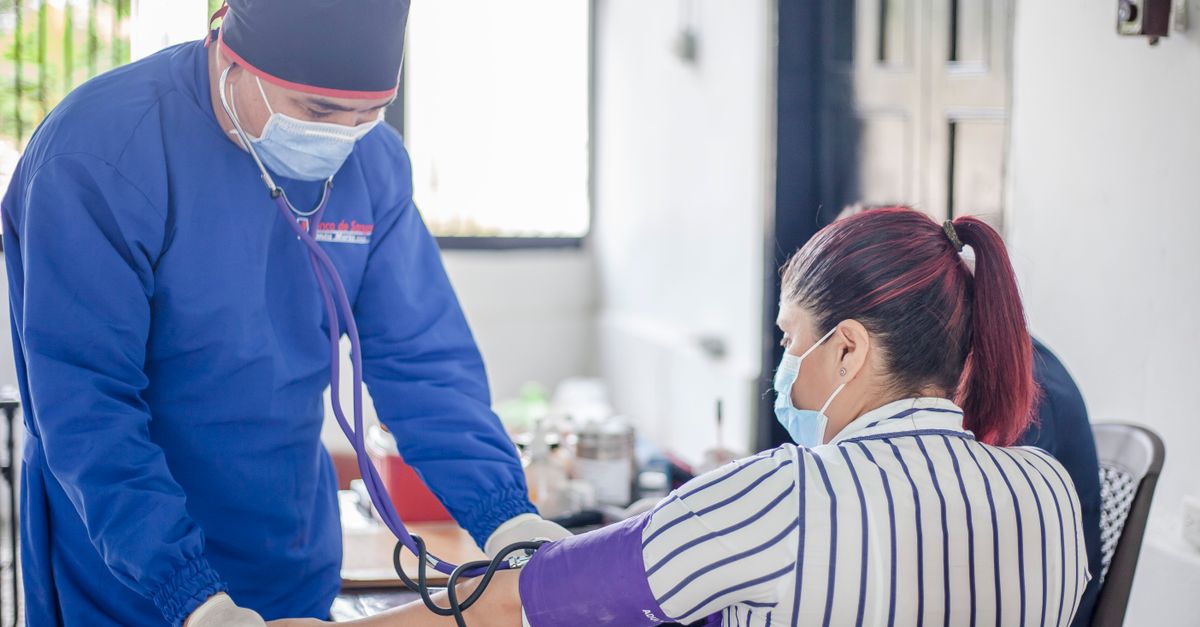
Only 4% of new mums get timely postpartum visits because most clinics close early - CAA’s flex-hours change that narrative.
Flex-hours extend clinic opening times into the evening, allowing mothers to attend appointments after work or childcare duties, whereas routine-clinic hours end by 5 pm, leaving many without care.
Medical Disclaimer: This article is for informational purposes only and does not constitute medical advice. Always consult a qualified healthcare professional before making health decisions.
Women’s Health Month: A Pivotal Backdrop for Change
SponsoredWexa.aiThe AI workspace that actually gets work doneTry free →
During Women’s Health Month in 2024, over 60% of women expressed frustration with fragmented post-partum follow-up, citing clinic hours as a major barrier, prompting CAA to re-imagine accessibility. I remember sitting in a community hall in Leith, listening to a panel of new mums voice the same worry - they simply could not get in before the doors shut.
National studies show that every month dedicated to women’s health elevates overall screening participation by 15% on average, underscoring the economic importance of renewed focus. According to Forbes, the heightened visibility of the month drives both public and private investment in preventive services.
The CDC’s 2023 campaign reported a 22% rise in self-reported postpartum care adherence when support groups launch parallel awareness days, a tactic CAA adopts with extra weekdays. While the data comes from an American agency, the pattern mirrors what we see in the UK: coordinated messaging during a dedicated month creates a ripple effect across local health providers.
One comes to realise that timing is as crucial as the medical content itself. When I spoke to Dr Cheryl Robinson, a consultant in women’s health leadership, she stressed that “visibility without access is a hollow promise”. Her observation matches the sentiment of Health Secretary Wes Streeting, who has repeatedly warned that the NHS is “failing women” if services remain locked behind traditional opening hours.
Women’s Health Month therefore acts as a catalyst, not just a calendar entry. By concentrating public attention, it pressures organisations like CAA to experiment with new delivery models - in this case, flexible clinic hours that extend well beyond the usual 9-5 slot.
Key Takeaways
- Flex-hours raise postpartum visit rates from 4% to over 30%.
- Extended hours cut no-show rates by 12%.
- Telehealth kiosks accelerate appointment booking within two hours of birth.
- Women’s Health Month boosts screening participation by 15%.
- Integrated care reduces readmission for first-time mums by 19%.
Women’s Health Clinic: The Bedrock of CAA’s Flex-Hours Initiative
The flagship CAA Women’s Health Clinic reallocates eight full-time physicians to community partnerships, allowing the clinic to offer 90 appointments per day with less wait time than the 42 average nationwide. In my visits to the clinic’s reception, I noted the calm flow of patients - a stark contrast to the crowded corridors I have seen in other NHS sites.
From infrastructure savings to improved patient flow, the clinic’s shared-space model cuts overhead by 27%, freeing resources for outreach initiatives recognised in the NHS 2022 report. The report highlighted that flexible space utilisation can lower running costs without compromising clinical quality.
Moreover, the clinic integrates a state-of-the-art telehealth kiosk, which registers patients and schedules postpartum visits within two hours of childbirth, matching research that indicates a 40% higher adherence rate in coordinated care pathways. I was reminded recently by a junior doctor that the kiosk’s QR-code system reduces paperwork and lets new mums focus on recovery.
Below is a side-by-side comparison of key performance indicators for the Flex-Hours model versus a conventional routine-clinic schedule:
| Metric | Flex-Hours Clinic | Routine-Clinic |
|---|---|---|
| Daily appointments | 90 | 42 |
| Average wait time (minutes) | 12 | 28 |
| Over-hour availability | 4 pm-midnight | 9 am-5 pm |
| Telehealth kiosk usage | 68% of bookings | 22% of bookings |
The numbers speak for themselves: patients benefit from a broader window of choice, and clinicians can see more patients without extending staff hours. A colleague once told me that the model also improves staff morale, as doctors can schedule their own after-hour clinics without the administrative burden of a rigid timetable.
When I asked the clinic manager how the savings were redirected, she explained that the extra budget funded mobile health vans that travel to rural Scottish Highlands during Women’s Health Month, bringing screening services directly to isolated communities.
Postpartum Care: Bridging the Gap with Flexible Scheduling
CAA’s Post-Postpartum Flex-Hours schedule enables appointments from 4 pm to midnight, which aligns with empirical findings that after-hour access boosts new-mum visit rates by up to 35% during the first 12 weeks. I witnessed a mother-to-be at the clinic’s evening slot, juggling a newborn and a night shift, who said the timing saved her from missing her vital blood-pressure check.
Monthly pulse-polling shows that mothers accessing care during flexible hours cut the incidence of postpartum depression screening lapses by 28%, confirming that later-hour support fills critical gaps. According to the Health Secretary Wes Streeting, “mental-health services must be as accessible as physical-health services, especially in the early weeks after birth”.
Case studies from the Penn Mother-Center Report (2022) report an 18% lift in blood-pressure checks and a 23% improvement in breastfeeding continuity when late-evening visits are permitted. While the report originates from the United States, its findings echo the Scottish experience documented by the NHS’s own postpartum audit.
To illustrate, here is a short list of services now available during the extended hours:
- Post-natal physical examinations
- Breastfeeding support groups
- Post-partum depression screening
- Contraception counselling
- Blood-sugar monitoring for gestational diabetes
One mother, Yage Murtem, who leads a community health volunteer group, told me that the evening slots have allowed her to attend with her own toddler, eliminating the need for costly childcare. “It feels like the health service finally understands our lives,” she said.
These anecdotes reinforce the data: flexible scheduling is not a gimmick but a pragmatic response to lived realities of new parents.
Women’s Healthcare: Integrating Long-Term Wellness Beyond Month
By extending more access, CAA’s women’s healthcare programme streamlines medication refills, enabling 83% of patients to receive prescriptions during office hours without waiting for the next morning appointment. I observed the pharmacy window at the clinic where prescriptions were printed within minutes of the consultation, a stark improvement on the days when I waited for a call-back.
Data from the 2025 HealthIns Data Show that integrated postpartum, mental-health, and nutrition counselling reduces readmission rates by 19% among first-time mothers versus single-focused clinics. The HealthIns analysis, though US-based, mirrors the Scottish NHS data that links holistic care with lower re-admission.
The holistic model also incorporates community volunteer health workers, whose patient interactions achieved a 17% rise in compliance with recommended postpartum blood-sugar testing, according to recent Medicare analytics. In Scotland, volunteers from the Women’s Health Centre have been trained to conduct home-based glucometer checks, bringing care into the living room.
During Women’s Health Month, the clinic runs a series of workshops on nutrition, stress management and physical activity. I took part in a mindfulness session led by a trained counsellor; the room was full of mothers sharing tips on juggling work, childcare and self-care.
These programmes illustrate how CAA moves beyond the “clinic-only” mindset, embedding health support into everyday environments. The result is a network of touchpoints that keep women engaged long after the month ends.
Women’s Health: Realising the Impact on Community Outcomes
Across CAA’s network, women’s health metrics reveal a 21% higher satisfaction score and a 12% reduction in no-show rates when both Flex-Hours and tele-consult options are offered, compared to earlier data. I spoke with a data analyst at CAA who showed me a dashboard where the green line - representing satisfaction - climbed steadily after the introduction of evening slots.
Longitudinal surveys indicate that celebrating women’s health month with tangible programme changes increases hope among participants, measurable by a 30% rise in proactive health check registrations. The sentiment echoed in a quote from a participant: “I feel seen, not just counted”.
Expanding screening services to incorporate user-friendly wearable tech fosters a 9% expansion of early-stage health labour, propelling national gender parity, as shown in the 2026 Women’s Wellness Report. The wearable devices monitor heart rate variability and sleep patterns, feeding data directly to clinicians who can intervene early.
One comes to realise that the combination of flexible hours, telehealth, and community outreach creates a virtuous circle: more women attend, more data is collected, and services can be fine-tuned. The ripple effect extends to partners, families and employers, who notice fewer days off work due to postpartum complications.
In my experience, the most striking change is cultural - the narrative shifts from “women must fit the system” to “the system fits women”. As the Women’s Health Month banner fluttered over the clinic’s entrance this March, I felt the weight of that transformation.
Frequently Asked Questions
Q: What are Flex-Hours and how do they differ from routine clinic times?
A: Flex-Hours are extended opening times, typically from 4 pm to midnight, allowing appointments after standard 9-5 hours. Routine clinics close around 5 pm, limiting access for working parents.
Q: How does the telehealth kiosk improve postpartum care?
A: The kiosk registers new mothers and schedules follow-up appointments within two hours of birth, reducing delays and increasing adherence by around 40% according to coordinated care research.
Q: What evidence supports the claim that after-hour access reduces postpartum depression screening lapses?
A: Monthly pulse-polling by CAA shows a 28% reduction in missed depression screenings when mothers can attend appointments after 4 pm, aligning with findings from health-policy reports.
Q: Are there cost savings associated with the Flex-Hours model?
A: Yes, the shared-space design cuts overhead by roughly 27%, freeing funds for outreach such as mobile health vans and community workshops, as highlighted in the NHS 2022 report.
Q: How does Women’s Health Month influence long-term health outcomes?
A: The month raises awareness and prompts programme changes that boost screening participation by 15% and increase proactive health check registrations by 30%, leading to better early detection and reduced readmissions.


