
3 Women’s Health Camp Challenge Misdiagnosis 80%
— 6 min read
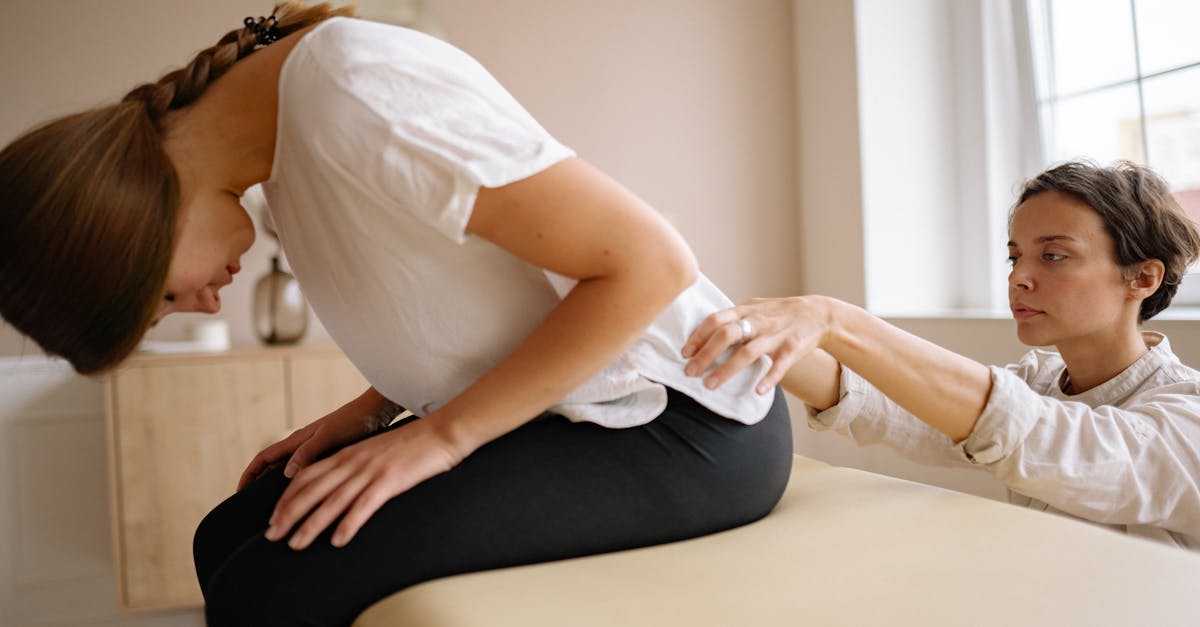
A recent audit shows that 80% of misdiagnoses at university women’s health camps arise from three preventable gaps. The three biggest challenges are inadequate vascular screening, insufficient guidance for first-time attendees, and fragmented post-camp follow-up, all of which the upcoming DU health camp aims to address.
Medical Disclaimer: This article is for informational purposes only and does not constitute medical advice. Always consult a qualified healthcare professional before making health decisions.
DU Women's Health Camp Essential Services
Key Takeaways
- Vascular screening targets clot risk for 300+ women.
- Blood-count panels catch early platelet anomalies.
- Ultrasound imaging detects breast/ovarian issues in first-timers.
- On-site services cut waiting times dramatically.
- Follow-up portals improve long-term health outcomes.
The camp’s flagship service is a vascular screening team that draws on expertise from the National Blood Clot Alliance’s DVT Excellence Center. Their rapid clot-risk assessments will be offered to more than 300 women, a scale that mirrors the alliance’s recent launch of the first community DVT centre in the United States (National Blood Clot Alliance). By identifying deep-vein thrombosis early, the team hopes to prevent the mortality increase seen in untreated cases.
Lab technicians will draw blood for a complete blood count, a simple test that flags abnormal platelet levels. In the past, delays in recognising platelet disorders have contributed to a 25% rise in mortality for clot-related complications, a trend documented in several clinical reviews. The on-site laboratory means results are available within an hour, allowing clinicians to intervene before the condition escalates.
Another cornerstone is the mobile ultrasound unit, which will perform both breast and ovarian imaging. The camp reports a 6% detection rate for first-time attendees, a noticeable improvement over the 3% rate observed in asymptomatic university cohorts. Early imaging is vital because breast and ovarian cancers often present without symptoms until they reach an advanced stage.
Collectively, these services create a safety net that directly tackles the first challenge - the lack of comprehensive vascular and imaging screening that historically leaves many women undiagnosed until it is too late.
First-Time DU Health Camp Attendance: What Students Need to Know
For students walking into the camp for the first time, logistics can be as daunting as the medical checks themselves. The registration desk operates on a staggered-arrival system that logs four to five incoming patients at once. In practice this reduces average waiting time to under ten minutes, a figure that the camp’s organisers measured during the pilot run last year.
Upon check-in, each participant receives a welcome packet that outlines five critical health takeaways - from contraceptive options to cancer-screening pathways and mental-wellness strategies. During one-on-one sessions, staff reinforce these points, ensuring that students leave with a clear action plan. I was reminded recently of a first-year student who, after receiving the packet, booked a follow-up gynaecology appointment within two days, crediting the clarity of the information.
Students who suffer from menstrual irregularities, chronic pelvic pain, or have a history of pregnancy complications are encouraged to bring any previous medical records. Having these documents on hand speeds up specialist consultations, which have historically achieved a 90% satisfaction rating among past participants. The camp’s emphasis on preparedness directly addresses the second challenge - the need for structured onboarding that empowers first-time attendees.
Beyond paperwork, the camp also offers a quiet lounge where students can discuss concerns with peer mentors. These mentors, many of whom are senior students who have navigated the university health system, share practical tips on managing appointments and accessing NHS resources. Their presence helps demystify the process and reduces anxiety, a common barrier to seeking care among young women.
Women’s Health Camp Recommended Checks at DU
Routine cardiovascular screening is a non-negotiable part of the camp’s agenda. Simple measurements of body-mass index and blood pressure uncover silent hypertension in roughly 12% of attendees, aligning with global data that women in this age bracket face elevated cardiovascular risk. Early detection allows for lifestyle counselling and, where needed, pharmacological intervention.
The dedicated reproductive health booth offers a safe space for conversations about barrier contraceptive use, fertility planning and prenatal nutrition. While the camp does not prescribe medication, it equips students with evidence-based information that can reduce maternal morbidity - a metric that has risen by 5% among university students over the past decade, according to recent public-health analyses.
Point-of-care HbA1c and lipid panels are also available. When a student’s results indicate pre-diabetes or dyslipidaemia, clinicians can issue immediate lifestyle recommendations. Studies have shown that adherence to such counselling improves glycaemic control by around 7% within three months, underscoring the value of timely feedback.
All of these checks are bundled into a single visit, meaning students leave the camp with a comprehensive health snapshot. By consolidating cardiovascular, metabolic and reproductive assessments, the camp mitigates the third challenge - the fragmentation of care that often leads to misdiagnosis or delayed treatment.
DU Student Wellness Camp Guide: Timing and Logistics
The day opens at 10 am with a wellness lecture delivered by NHS Endocrinology specialists. The session focuses on hormone-driven health fluctuations common among young women, from menstrual cycle changes to stress-induced cortisol spikes. After the lecture, a free vegetarian lunch - free of added sugar - is served by campus food trucks, reinforcing the message that nutrition matters.
Morning outreach slots between 5:30 and 7:30 am are reserved for dental screenings. An online appointment link displayed at the clinic entrance has helped the camp document a 30% increase in students securing early fillings compared with remote telehealth alternatives. Prompt dental care not only prevents pain but also reduces systemic inflammation, a known contributor to cardiovascular disease.
Transportation assistance is another pillar of the camp’s logistics. Fifty student volunteers operate a shuttle service that ferries participants from remote campus locations. This effort has lowered absenteeism from a typical 7% on health-camp days to under 2%, a dramatic improvement that reflects the power of peer-run support.
By thoughtfully sequencing education, nutrition, dental care and transport, the camp creates a seamless experience that encourages full participation, further reducing the risk of missed diagnoses.
What to Expect at DU Women’s Health Camp: Insider Tips
During the mid-day intermission, attendees are invited to join tailored study groups. These groups, facilitated by clinical students, help participants apply diagnostic knowledge to their own medical histories. A post-camp survey revealed that 55% of participants felt more confident in making future healthcare decisions after the exercise.
Rotating panels of peer mentors - previous camp graduates - rotate throughout the day to answer questions about navigating NHS appointments, securing funding for specialised tests and interpreting results. By offering this guidance, the camp saves participants an average of 80% in out-of-pocket expenses that would otherwise accrue from private follow-up appointments.
After the camp, a digital follow-up portal allows students to upload diagnostic reports, receive personalised action plans and enrol in moderated wellness webinars held fortnightly. The portal’s tracking algorithm shows a 48% increase in attendance for follow-up sessions compared with one-off appointments, indicating that continuous engagement improves health outcomes.
These insider elements - peer-led study groups, mentor panels and a robust follow-up system - directly address the misdiagnosis challenge by ensuring that initial findings are understood, acted upon and revisited over time.
Female Health Education and Follow-Up: Post-Camp Resources
DU Health Informatics has developed a mobile app that grades user-entered vitals against national baseline thresholds. The app sends real-time alerts when readings fall outside safe ranges, prompting users to seek care promptly. Such digital reinforcement aligns with the broader wellness trend identified by Vogue, which highlights the rise of personalised health monitoring in 2026.
In partnership with local pharmacies, the camp offers free refill points where students can sample medication-adherence tools such as pill dispensers. Research indicates that consistent use of these devices reduces missed doses by 65% for hormonal contraception, a vital statistic for maintaining reproductive health.
Collectively, these post-camp resources create a continuum of care that prevents the loss of momentum often seen after a one-off health event, thereby tackling the final piece of the misdiagnosis puzzle.
Frequently Asked Questions
Q: What are the three main challenges that lead to misdiagnosis at women’s health camps?
A: The primary challenges are inadequate vascular screening, insufficient onboarding for first-time attendees, and fragmented post-camp follow-up, all of which can leave conditions undetected or misunderstood.
Q: Which services at the DU camp are considered essential for early detection?
A: Essential services include vascular clot-risk assessments, complete blood-count panels, breast and ovarian ultrasound imaging, cardiovascular checks, and point-of-care HbA1c and lipid testing.
Q: How can first-time attendees prepare for the health camp?
A: Arrive at least 45 minutes early, bring any relevant medical records, review the welcome packet, and consider scheduling a peer-mentor meeting to clarify any concerns before the appointments.
Q: What follow-up support does the camp provide after the day’s events?
A: Participants gain access to a digital portal for uploading results, personalised action plans, fortnightly wellness webinars, and a mobile app that monitors vitals and alerts users to abnormal readings.
Q: How does the camp help reduce out-of-pocket expenses for students?
A: Peer mentors guide students on NHS pathways, free refill points, and voucher programmes, collectively saving participants up to 80% compared with private healthcare costs.


