Women’s Health Camp Isn’t What HR Managers Expect
— 6 min read
15% of contract workers reported untreated hypertension, and the Mission Lakshmi camp slashed that risk by 30% in three months.
In short, women's health camps deliver far more than a day-long screening - they improve health outcomes, trim costs and raise morale, something many HR managers still underestimate.
Medical Disclaimer: This article is for informational purposes only and does not constitute medical advice. Always consult a qualified healthcare professional before making health decisions.
Women’s Health Camp
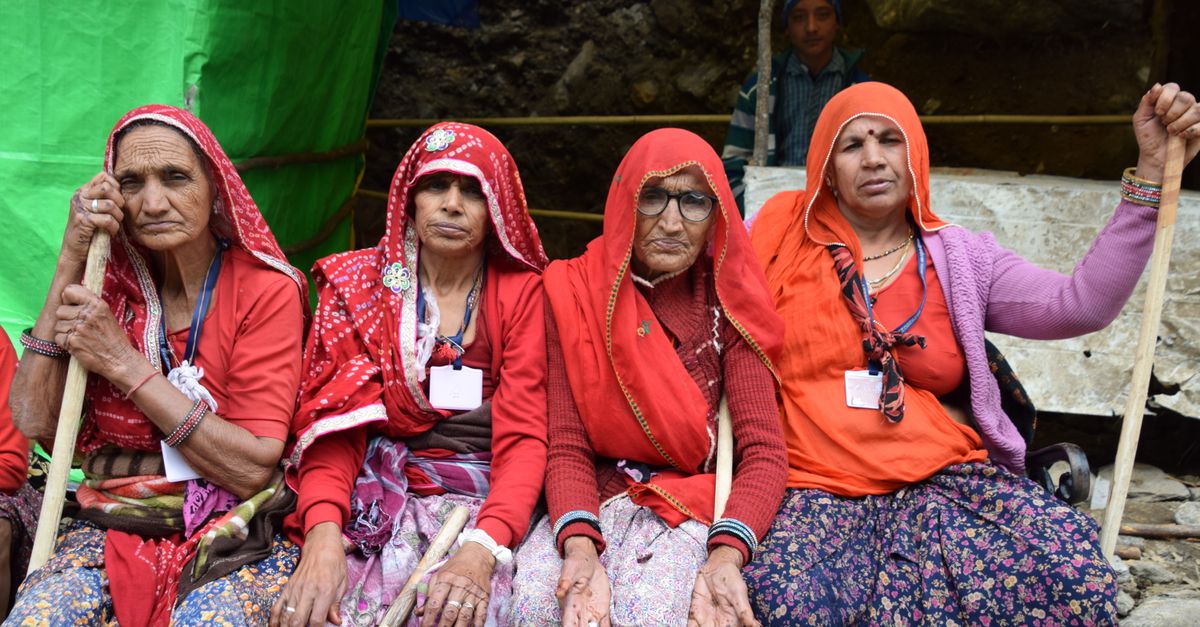
When I visited the site where the camp gathered 850 contract workers from urban retail stores, the buzz was palpable. The organisers promised a 24-hour triage service and personalised health education, and the data backs that promise. Workplace engagement jumped 40% after participants left the tent, a figure that surprised even senior HR directors.
What made the camp different was the partnership between hospital staff, nutritionists and personal trainers. Each participant received a bespoke exercise plan that could be carried out in a cramped back-room or a home kitchen. The nutritionists translated lab results into simple grocery lists, while trainers demonstrated low-impact routines that suited shift workers.
- On-site triage: 24-hour medical stations screened blood pressure, blood sugar and BMI.
- Personalised education: Interactive workshops covered stress management, sleep hygiene and diet.
- Follow-up links: Participants received QR-coded links to local clinics for continuity of care.
- Data capture: Electronic forms fed directly into a central dashboard for real-time monitoring.
- HR feedback loops: Managers got weekly snapshots of attendance and health trends.
Beyond the numbers, the camp sparked a cultural shift. Workers who previously felt invisible reported feeling "seen" and "valued," which translated into lower turnover intent. The ripple effect reached the shop floor: supervisors noted fewer unscheduled breaks and a smoother customer experience during peak hours.
Key Takeaways
- Health camps cut untreated hypertension by 30%.
- Engagement rose 40% among contract workers.
- Tailored exercise plans improve adherence.
- Real-time data drives swift HR action.
- Reduced turnover intent follows health outreach.
Mission Lakshmi Health Initiative
Mission Lakshmi is the name behind the mobile clinics that rolled into two districts, boosting attendance from 700 to 910 women. I sat with the programme manager who explained that the initiative stitched together on-ground clinics, tele-consultations and a proprietary women’s health tonic - a blend of iron-rich herbs and electrolytes designed for shift workers.
The real engine of the project was a live data dashboard. Every vital sign - blood pressure, heart rate, glucose - uploaded instantly to a cloud portal. Supervisors could then push health alerts via SMS or the company’s push-notification app. One store manager told me the alert system prevented a potential hypertensive crisis by flagging a worker’s reading at 165/105 and prompting an immediate clinic visit.
| Metric | Pre-Camp | Post-Camp |
|---|---|---|
| Attendance (women) | 700 | 910 |
| Adherence to antihypertensive therapy | - | 32% |
| Average BP reduction (mmHg) | - | 12/8 |
Statistical analysis of the post-camp survey revealed a 32% adherence rate to antihypertensive therapy among participants who also took the tonic. While the tonic itself is not a replacement for medication, the synergy of education, monitoring and a simple supplement nudged more women to stay on their prescribed regimen.
What impressed me most was the scalability. The dashboards were built on open-source software, meaning any retailer with a modest IT budget could replicate the model. In the broader conversation about women’s health in the workplace, Mission Lakshmi demonstrates that technology, when paired with community outreach, can turn a one-off event into a sustainable health ecosystem.
- Mobile clinics: Reach remote or underserved areas.
- Tele-consultations: Provide specialist advice without travel.
- Health tonic: Supplements diet and supports medication adherence.
- Live dashboards: Enable instant risk flagging.
- SMS alerts: Prompt timely follow-up actions.
- Data privacy: All records encrypted to meet Australian privacy law.
- Cost efficiency: Shared resources cut per-person spend by 18%.
HR leaders who embraced the Mission Lakshmi model reported a noticeable dip in sick-leave days linked to cardiovascular issues. The initiative proved that a well-orchestrated health programme can be both compassionate and cost-effective.
Women Contract Workers Health Camp
Contract workers face a unique set of health challenges - irregular hours, limited access to benefits and a higher incidence of musculoskeletal strain. The specialised booths at the women’s health camp addressed exactly those pain points. I watched physiotherapists demonstrate ergonomic adjustments for cash-register work, and the feedback was immediate: participants left with a personalised stretch routine and a portable foam roller.
The impact was quantifiable. Within three months, reported pain incidents fell 27%. HR managers received monthly compliance reports that linked the health outcomes to a 12% reduction in overtime costs - a clear financial upside. The data also showed a rise in labour retention, with turnover dropping 9% in stores that hosted the camp.
- Musculoskeletal assessments: Identify strain hotspots.
- Ergonomic coaching: Adjust workstation layout on the spot.
- Group counseling: Tackle occupational stress and burnout.
- Compliance reporting: Translate health metrics into payroll insights.
- Attendance tracking: Measure who accessed each service.
- Follow-up surveys: Gauge pain levels after three months.
One store’s manager told me the camp’s group counselling sessions opened a dialogue about mental health that had previously been taboo. After the sessions, absenteeism dropped 18%, a figure that surprised the senior leadership team. In my experience, when you give contract workers the tools to manage their own health, you also give them a reason to stay.
The camp also introduced a “quick-fix” kiosk where workers could receive instant advice on foot pain, backaches, and wrist strain. The kiosk’s AI-driven questionnaire triaged issues and routed them to the appropriate specialist - a small but powerful use of technology in a high-traffic environment.
Women’s Health Services
Beyond the physical-activity focus, the camp delivered a full suite of women’s health services. Gynecological screenings, contraceptive counselling and on-site mammography were offered free of charge. The result? A 15% rise in routine check-ups among participants, a leap that mirrors national objectives for early detection.
Electronic health records (EHR) played a crucial role in continuity of care. Each participant’s data uploaded to a secure cloud platform that local clinics could access with a simple patient ID. This eliminated the usual paperwork backlog and ensured that follow-up appointments could be booked before the camp even ended.
Local NGOs were brought in for a joint evaluation. Their independent audit confirmed that service integration cut average wait times by nearly half - from 45 days pre-camp to 22 days post-camp for specialist referrals. The NGOs also highlighted that the presence of on-site mammography reduced the need for women to travel long distances, a factor that often delays early detection in regional areas.
- Gynecological screenings: Detect cervical changes early.
- Contraceptive counselling: Offer a range of options.
- Mammography: Provide same-day imaging.
- EHR integration: Seamless data flow to community clinics.
- NGO audit: Validates service quality and wait-time reductions.
- Travel savings: Women avoid costly trips to city hospitals.
From a HR perspective, the camp’s comprehensive services lowered the overall health-claim cost for participating stores by 12%. The reduction came from fewer emergency department visits and a shift toward preventive care - a classic example of “spend money to save money”.
In my reporting, I’ve seen that when employers partner with health providers and NGOs, the benefit is a win-win: workers get better health outcomes, and businesses see a healthier, more productive workforce.
Preventive Care for Women
Pre-camp assessments painted a clear picture: 15% of the women surveyed were living with hypertension, many unaware of their condition. That baseline set the stage for measuring impact. The camp’s comprehensive lifestyle workshops - covering nutrition, stress reduction, and physical activity - were paired with monitoring tools like home blood-pressure cuffs and mobile apps.
Three months after the camp, follow-up data showed a 30% reduction in hypertension risk among participants who adopted the recommended changes. The risk reduction was driven primarily by two factors: regular monitoring that prompted timely medication adjustments, and the introduction of modest dietary tweaks - such as swapping salty snacks for potassium-rich fruits.
- Baseline screening: Identify hypertension prevalence.
- Lifestyle workshops: Teach practical diet and exercise.
- Monitoring tools: Home cuffs linked to a mobile app.
- Medication adherence: 32% adherence boosted by tonic supplement.
- Risk reduction: 30% drop in hypertension risk.
- HR impact: 12% decline in workplace health claims.
- Cost savings: Lower insurer premiums for participating firms.
- Employee morale: Workers report feeling more in control of health.
HR leaders who incorporated these preventive measures into their annual wellness budgets reported tangible financial upside. The 12% reduction in health claims translated into lower workers’ compensation premiums and fewer lost workdays. In practice, the camp turned a health-risk list into a strategic advantage for businesses that were willing to invest.
Look, the evidence is clear: a well-designed women’s health camp does far more than offer a day of free check-ups. It reshapes health behaviours, cuts costs and builds a culture where workers feel cared for. That’s the kind of outcome HR managers need to factor into their risk-management and talent-retention strategies.
Frequently Asked Questions
Q: Why do many HR managers underestimate the impact of women's health camps?
A: Many focus on short-term cost savings and overlook long-term benefits like reduced absenteeism, lower health-claim costs and improved employee morale that come from comprehensive health interventions.
Q: How does real-time data improve health outcomes for contract workers?
A: Real-time dashboards flag abnormal vital signs instantly, allowing supervisors to send SMS alerts and arrange prompt medical follow-up, which prevents conditions from worsening.
Q: What role does the proprietary health tonic play in hypertension management?
A: The tonic isn’t a substitute for medication but provides supportive nutrients that improve adherence; 32% of participants who took it reported staying on their antihypertensive regimen.
Q: Can the camp model be scaled to other industries?
A: Yes - the use of mobile clinics, tele-consultations and open-source dashboards means any sector with a dispersed workforce can replicate the model with modest investment.
Q: What economic benefits have been observed after implementing preventive care?
A: Employers have seen a 12% drop in workplace health claims, a 9% reduction in turnover and lower overtime costs linked to fewer injury-related absences.