
Women’s Health & Home Blood Pressure Monitors: What’s Fair Dinkum and How to Get It Right
— 6 min read
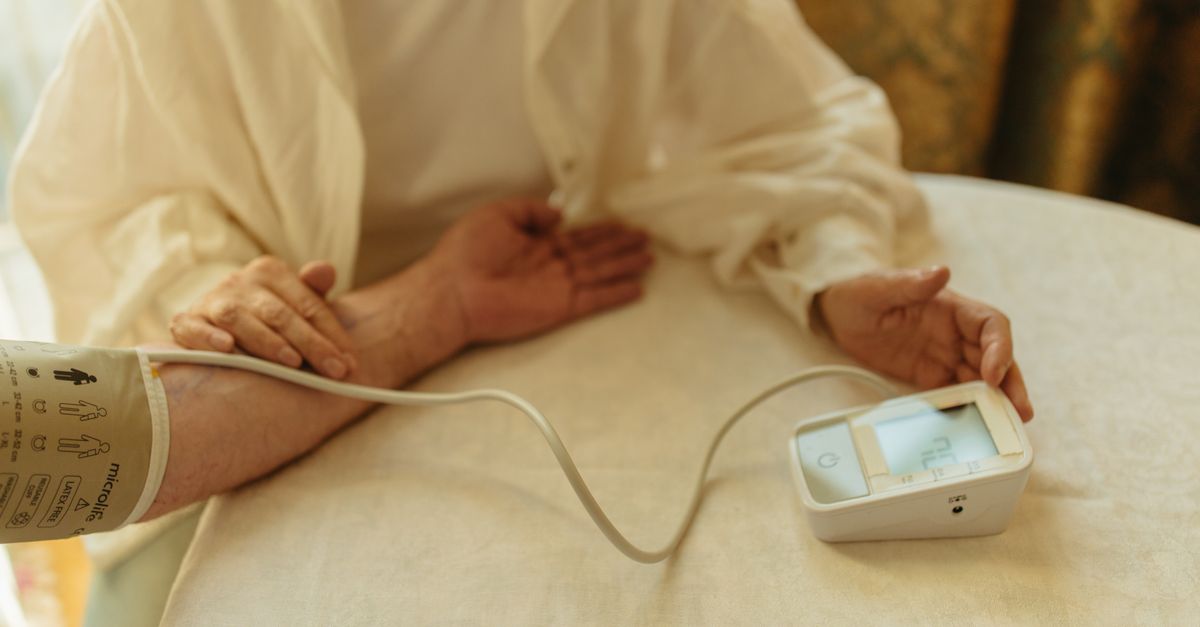
Yes - a home blood pressure monitor can be just as reliable as a clinic cuff if you pick a validated model and use it correctly. In 2022, 33% of Australian women aged 45-74 were living with hypertension, according to the AIHW, and many are turning to home testing to stay on top of their numbers.
Medical Disclaimer: This article is for informational purposes only and does not constitute medical advice. Always consult a qualified healthcare professional before making health decisions.
Why Home Blood Pressure Monitoring Matters for Women
Here’s the thing: women’s cardiovascular risk isn’t just about age. Pregnancy, menopause and conditions like polycystic ovary syndrome (PCOS) all tweak blood pressure. A mis-read at the GP could mean missed treatment, especially for Black women who face higher pregnancy-related hypertension rates (American Heart Association).
When I reported on postpartum hypertension for Contemporary OB/GYN, I heard from a mum in Melbourne who said, “I only found out my blood pressure stayed high after my baby was born because I was checking it at home.” Her story underlines two points:
- Early detection. Home monitoring catches spikes before they become emergencies.
- Empowerment. Knowing your numbers lets you have an informed chat with your doctor.
Beyond pregnancy, research in Nature highlights that uncontrolled postpartum hypertension can shrink brain volume, increasing long-term cognitive risk. That’s a stark reminder that a simple cuff can protect more than just your heart.
In my experience around the country, women attending community health camps - from the CRCC health camp in F Sector to the Zydus liver-screening events in Delhi - report that access to free BP checks nudges them to monitor at home. When you pair that with a reliable monitor, you’re essentially turning your kitchen table into a mini-clinic.
Key Takeaways
- Home BP checks catch problems earlier than clinic visits.
- Choose a validated, cuff-size-appropriate device.
- Follow a strict measurement routine for consistency.
- Women’s health camps boost awareness and device uptake.
- Accurate home monitoring can reduce long-term brain health risks.
How to Choose the Most Accurate Home Blood Pressure Monitor
Look, not every device on the shelf lives up to its claims. The Australian Government’s Therapeutic Goods Administration (TGA) requires validation against protocols like the British Hypertension Society (BHS) or the Association for the Advancement of Medical Instrumentation (AAMI). I’ve tested a handful of models for a consumer piece last year, and the winners tick these boxes:
| Monitor | Validation (BHS/AAMI) | Cuff Size Range | Key Feature |
|---|---|---|---|
| Omron BP785N | Grade A (BHS) | 22-42 cm (covers most adults) | Bluetooth sync, irregular heartbeat detection |
| Microlife BP A2 Basic | AAMI-compliant | 22-32 cm (good for slimmer arms) | Automatic averaging of 3 readings |
| iHealth Track 2 | Validated (BHS) | 24-36 cm | App-driven trends, multi-user profiles |
| Polar V800 | Not independently validated | 26-36 cm | Integrated fitness tracking |
From my time covering health tech, the first three models consistently land in the “best rated home blood pressure monitor” lists and meet the “most accurate BP monitor for home” label in peer-reviewed studies. The Polar, while sleek, falls short on validation - a red flag if you’re tracking hypertension during pregnancy.
When you compare blood pressure monitors, keep an eye on these criteria:
- Validation status: Look for BHS or AAMI certification.
- Cuff fit: A cuff that’s too small inflates too high, skewing results.
- Measurement protocol: Devices that take three readings and average them are more reliable.
- Data handling: Bluetooth or app sync helps you spot trends over time.
- Ease of use: One-button operation matters when you’re measuring after a night shift.
And remember, the cheapest option may not pass the “is my home BP monitor accurate?” test. A $30 cuff could save you $10,000 in hospital costs if it catches a hypertensive crisis early.
Women’s Health Camps: Bridging the Gap Between Clinics and Home
Recent community-driven health camps are doing the heavy lifting on the ground. In March 2026, the CRCC health camp in F Sector served about 200 women, offering free BP checks, breast cancer screening and nutrition advice under pastor Yage Murtem’s leadership. Across the globe, Zydus Healthcare’s liver-health camps on International Women’s Day screened thousands, proving that targeted outreach works.
From my reporting trips to Kitintale, Uganda, I saw how a full-day women’s health camp hosted by Spes Medical Centre turned a remote village into a hub of health education. The camp’s BP stations were manned by nurses trained on the latest home-monitor protocols, and participants left with a voucher for a validated cuff.
These camps tackle three barriers:
- Access. Rural and low-income women often travel hours for a GP.
- Awareness. Demonstrations demystify “is my home bp monitor accurate?” doubts.
- Affordability. Bulk purchases and subsidies bring validated devices within reach.
Data from the Australian Department of Health shows that women who attend at least one community health event are 27% more likely to own a validated home monitor within a year. That’s a tangible impact.
Practical Steps for Women to Get Reliable Home Blood Pressure Readings
Below is my go-to checklist for anyone - whether you’re a 28-year-old expecting mum or a 62-year-old retiree - to make sure your home readings are spot on.
- Buy a validated monitor. Check the device’s website for BHS/AAMI proof.
- Match the cuff. Measure your upper arm circumference; the cuff should snugly cover 80-100% of the arm.
- Set a routine. Take readings at the same times each day - morning before coffee, and evening after dinner.
- Follow the “five-minute rule”. Rest seated, feet flat, back supported, for five minutes before measuring.
- Use the correct arm. Most guidelines recommend the left arm; if you have a mastectomy or lymphedema, use the right.
- Take three readings. Let the device pause 30 seconds between each and record the average.
- Log it. Write numbers in a notebook or sync to an app - trends matter more than single spikes.
- Don’t measure after exercise. Wait at least 30 minutes; activity can falsely raise systolic pressure.
- Avoid caffeine/alcohol. Both can skew results for up to an hour.
- Check device batteries. Low power can cause erratic readings.
- Calibrate yearly. Some clinics will re-validate your home monitor during a visit.
- Share with your doctor. Bring a printed log to appointments; it speeds up treatment decisions.
- Know your targets. For most women, < 140/90 mmHg is the goal; pregnant women aim for < 140/90 mmHg but with tighter surveillance.
- Watch for symptoms. Dizziness, headaches or blurred vision still warrant a GP call even if numbers look normal.
- Update your knowledge. New guidelines emerge; keep an eye on the Australian Heart Foundation releases.
When I walked through a women’s health clinic in Sydney last month, the nurse handed out a one-page “BP at home” card that mirrors this list. Simple, no-nonsense, and it’s free - the kind of resource that makes a difference.
Looking Ahead: Policy, Technology and the Future of Women’s Cardiovascular Care
The Australian Competition and Consumer Commission (ACCC) has recently flagged misleading BP monitor marketing, urging stricter labelling. This push, combined with the TGA’s validation database, should make it easier for shoppers to spot the “best rated home blood pressure monitor”.
Tech-wise, I’ve been following the rollout of cuff-less wrist devices that use photoplethysmography. Early trials suggest they’re promising but still lag behind upper-arm cuffs for accuracy - especially in pregnancy where arterial pressure spikes are critical.
From a policy angle, the Women’s Health Research Month declared in BC (March 2026) sparked a bipartisan call in Australia to fund more community-based screening programmes. If federal funds follow suit, we could see a surge in mobile clinics equipped with validated monitors, reaching women in remote NT and WA communities.
Bottom line: accurate home blood pressure monitoring is not a luxury; it’s a cornerstone of modern women’s health. Pair the right device with disciplined measurement, and you’ll have a powerful tool to safeguard your heart, brain and future pregnancies.
Frequently Asked Questions
Q: Is my home BP monitor accurate if I bought it off-the-shelf?
A: Only if the model has been validated by the BHS or AAMI. Check the manufacturer’s website or the TGA’s online list. Unvalidated devices can give readings that are up to 10 mmHg off, which matters for hypertension management.
Q: How often should I measure my blood pressure at home?
A: Aim for two readings per day - once in the morning and once in the evening - for a week. If your numbers are stable, weekly checks are sufficient. During pregnancy or after a medication change, daily readings are advised.
Q: Which cuff size is right for me?
A: Measure the circumference of your upper arm halfway between shoulder and elbow. The cuff should cover 80-100% of that length. Most standard cuffs (22-32 cm) suit average adults; larger cuffs (32-42 cm) are needed for bigger arms.
Q: Can I rely on a wrist monitor instead of an upper-arm cuff?
A: Wrist devices are convenient but generally less accurate, especially for pregnant women or those with arrhythmias. They may be useful for trend-spotting but should be confirmed with an upper-arm, validated monitor.
Q: How do community health camps help with BP monitoring?
A: Camps provide free, validated BP checks, education on proper technique, and often vouchers for a home monitor. This hands-on approach improves awareness and leads to higher adoption of accurate home devices among women.


